No Tolerance For Corruption, But No Extra Funds Either
The city's investigators have had their hands full the last couple of years. While it was investigating multiple high-profile cases against members of former Mayor Adams' administration, the Department of Investigation (DOI) was also being gutted by City Hall.
But rooting out wrongdoing under the new mayor might not get easier.
Mayor Zohran Mamdani's new preliminary budget for DOI was $54.1 million, down from last year's preliminary budget of $54.9 million. In the last five years the DOI staff had shrunk by 108 employees, a number that could continue to shrink under the new administration, hindering its ability to oversee the city government.
The agency's funding and staff were cut year after year by Adams, seen by the agency's commissioner as a response to investigations the department conducted against his administration. But while Mamdani's team prioritizes closing a $12 billion budget gap, it appears less concerned with fully funding the oversight agency.
"I believe they are interested in turning the page on that era and moving forward policies that will help us get there, but this budget does not reflect those priorities," said Benjamin Weinberg, director of public policy at Citizens Union, a century-old advocacy group dedicated to high government standards, in an interview.
The new administration's proposed cuts come as DOI data shows that investigations are taking longer than they did a year ago, leaving a growing caseload for a shrinking department tasked with monitoring the city's agencies for corruption, bribery and fraud, including the mayor's office and NYPD.
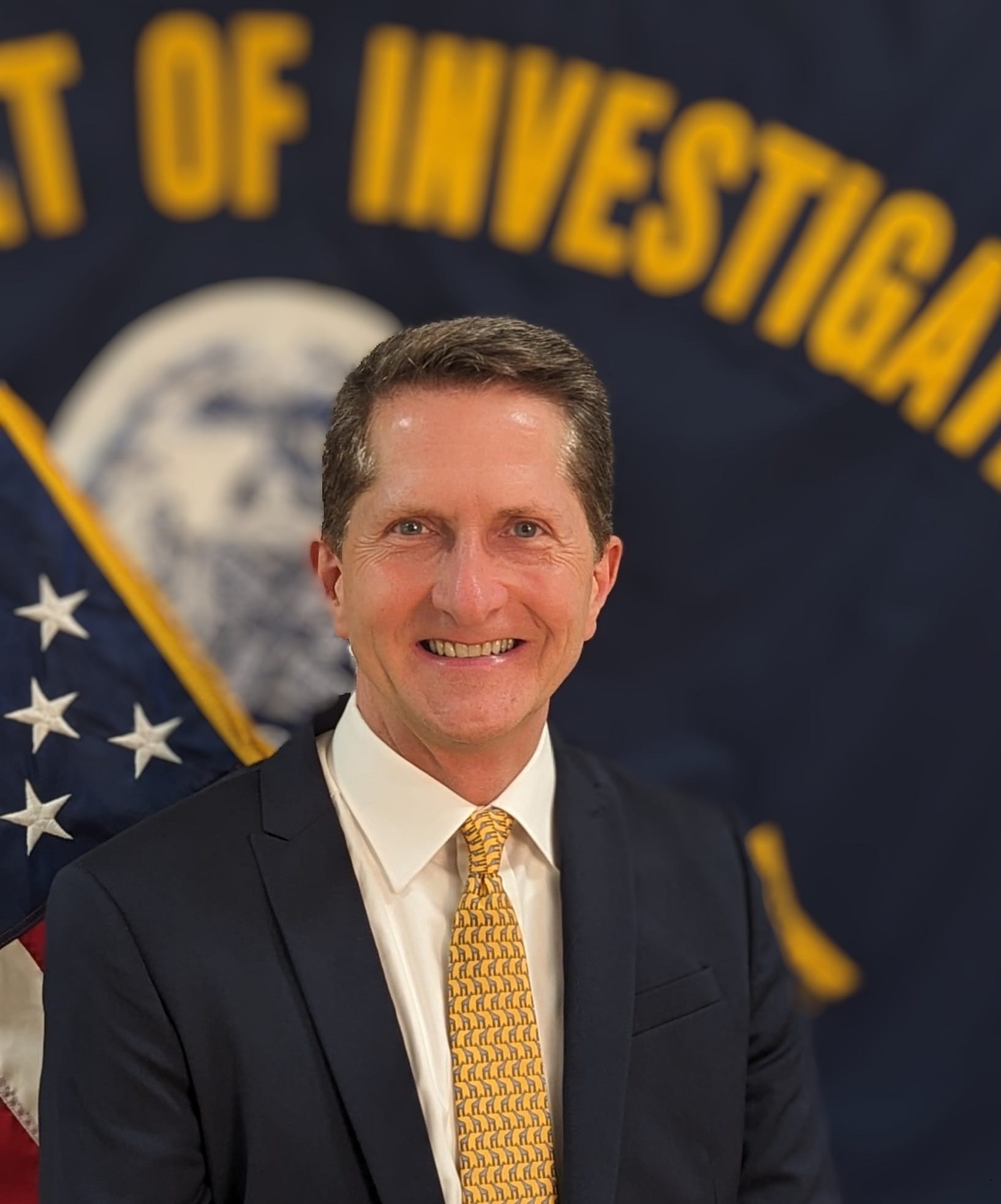
"It's all hands on deck, all the time," said Christopher Ryan, acting commissioner of the department, at a preliminary budget hearing with the city council last week. Ryan formerly worked for the Manhattan District Attorney's office.
At a press conference this February, Mamdani introduced his pick to be Ryan's successor, Nadia Shihata, a federal prosector best known for leading the prosecution against singer R. Kelly. Shihata still needs the city council's confirmation to become commissioner.
"There will be zero tolerance for self-enrichment or corruption in my City Hall," Mamdani said at the press conference.
But with decreased staff and lower funding, investigations are taking longer. The average number of days it took for the DOI to complete an investigation jumped 29% between fiscal year 2025 and the first four months of fiscal year 2026.
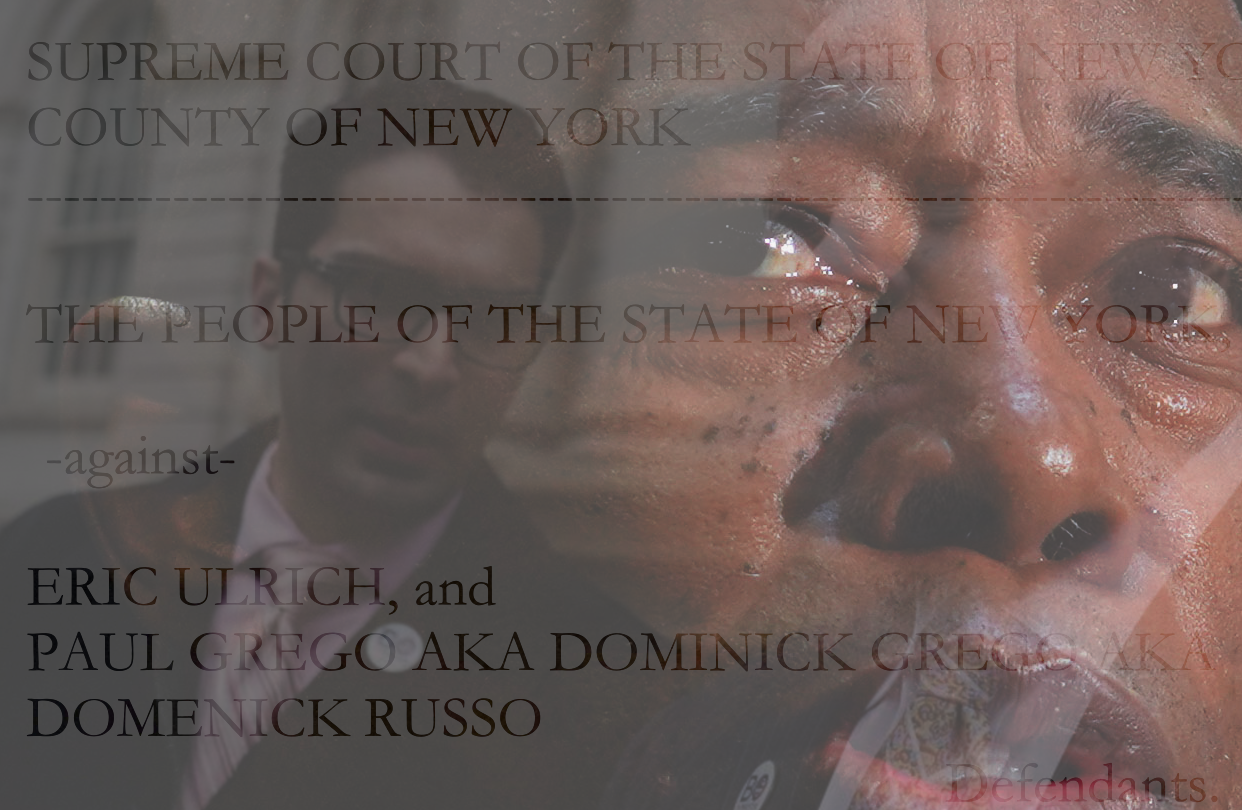
In 2022, DOI investigated Eric Ulrich, a former senior advisor to Adams and a former buildings commissioner. He was accused of accepting money bribes, Mets tickets and a painting for expedited licenses and other favors. DOI investigated him in the 10 months between January and November, when it operated on a $53.5 million budget ($57.37 million in today's dollars).
This year's proposed budget of $54.1 million leaves the agency with less funding.
"Those investigations required a significant number of staff and resources, all while we faced continuous budget cuts and hiring and retention challenges," Ryan said.
Manhattan District Attorney Alvin Bragg seized Ulrich's phone on November 1, 2022, then he was arrested the following September. Ulrich's background check had not been completed by the time his phone was seized because he had not submitted all of the needed paperwork to the DOI until September of his first year in office, as reported by The City. Ulrich was in office for nine months before the background check even started.
All background checks related to city employment go through DOI. New administrations bring more background checks in their first year, as new elected officials and employees come into the system. Funding and staff shortages only slow the process.
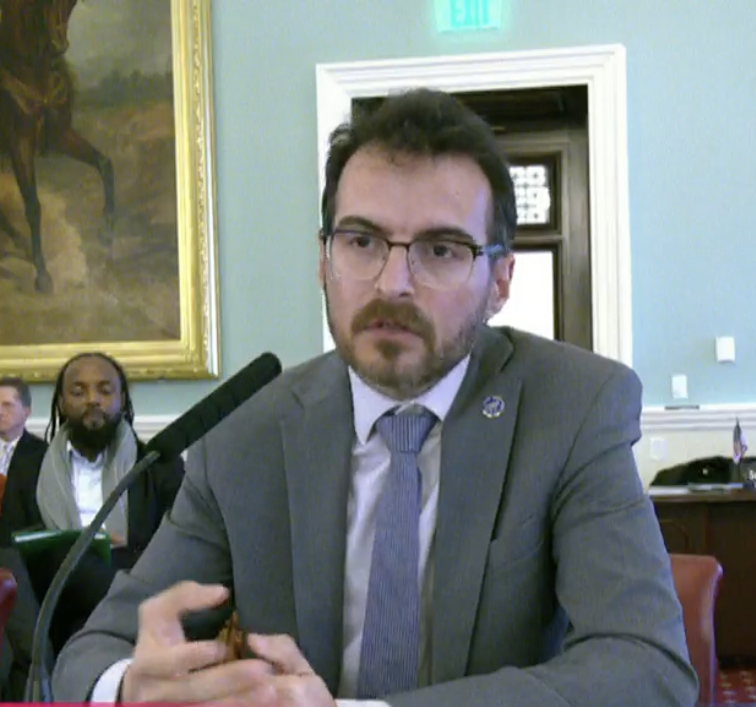
"Every first year of an administration requires you on-boarding tons of people," said Weinberg. "We might see performance impacted in those metrics, as well."
In addition to background checks and ongoing investigations, the agency could be tasked with new cases at any moment. Anything from a city employee filing a complaint against their boss, to a council mandate, to a pending lawsuit, could call for the start of an investigation.
In addition, some lawsuits mandate the DOI to set-up special teams like the Protest Response Oversight Unit, created to oversee the NYPD's response to protests, straining its already reduced budget.
"The work of that unit is already underway, and it is currently reviewing two protests selected by the plaintiffs," said Ryan at the meeting.
DOI has already started on new new high-profile cases. In July 2025, the city council directed the department to investigate what knowledge previous administrations had about environmental toxins produced by 9/11. The agency requested $4 to $5 million to hire a full team to conduct the investigation.
After the 9/11 investigation began, 68 boxes of files were found by the Department of Environmental Protection, an agency central to the clean up around the World Trade Center.
Mamdani's proposed budget aims to fill a $12 billion budget gap, that he blames on the Adams administration. The continued cuts to the DOI could be a way to close that gap, but at the cost of limiting its ability to function.
"If we do want to show the people of New York that we are turning the page," said Weinberg at the budget meeting, "how can we seriously do that if we are not turning the page on the budget policy as it relates to the main anti-corruption watchdog in our city?"
Help keep it that way.