Council Proposes New Earth Day Bills That Parks Department Finds Redundant
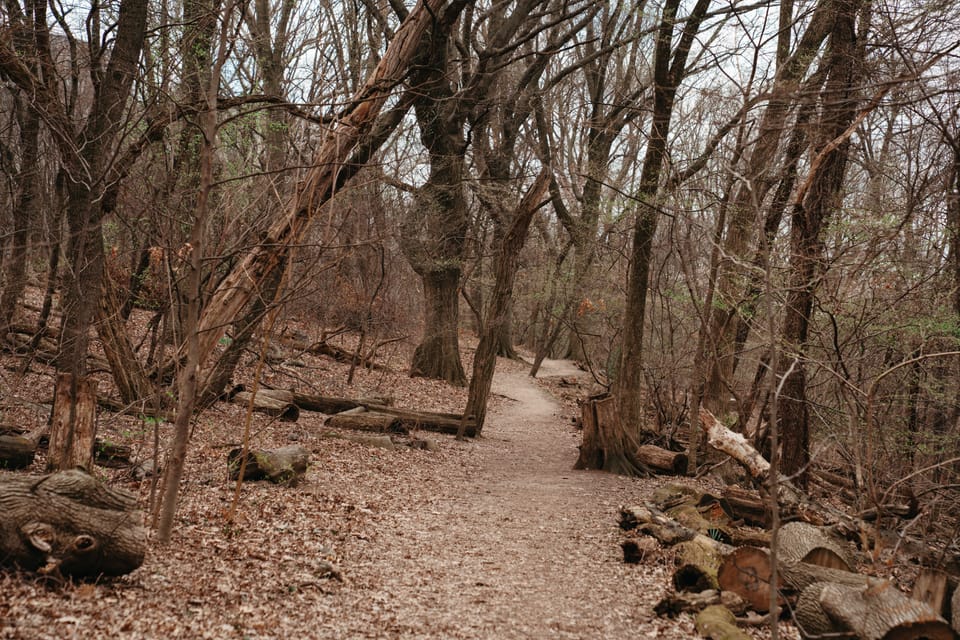
At 17 years old, city Councilmember Ty Hankerson had his first job as a summer camp counselor. He'd lead his kids through activities around Roy Wilkins Park in southeast Queens, running on the track, playing catch, and walking through the woods that line the park.
Hankerson and most of the camp kids had grown up in the neighborhood and knew every inch of Roy Wilkins. But while trekking through the woods one summer day, they saw a sign - a trail sign. It marked a little known and still unofficial trail that stretched ahead through the woods.
"We thought we discovered gold," said Hankerson in an interview.
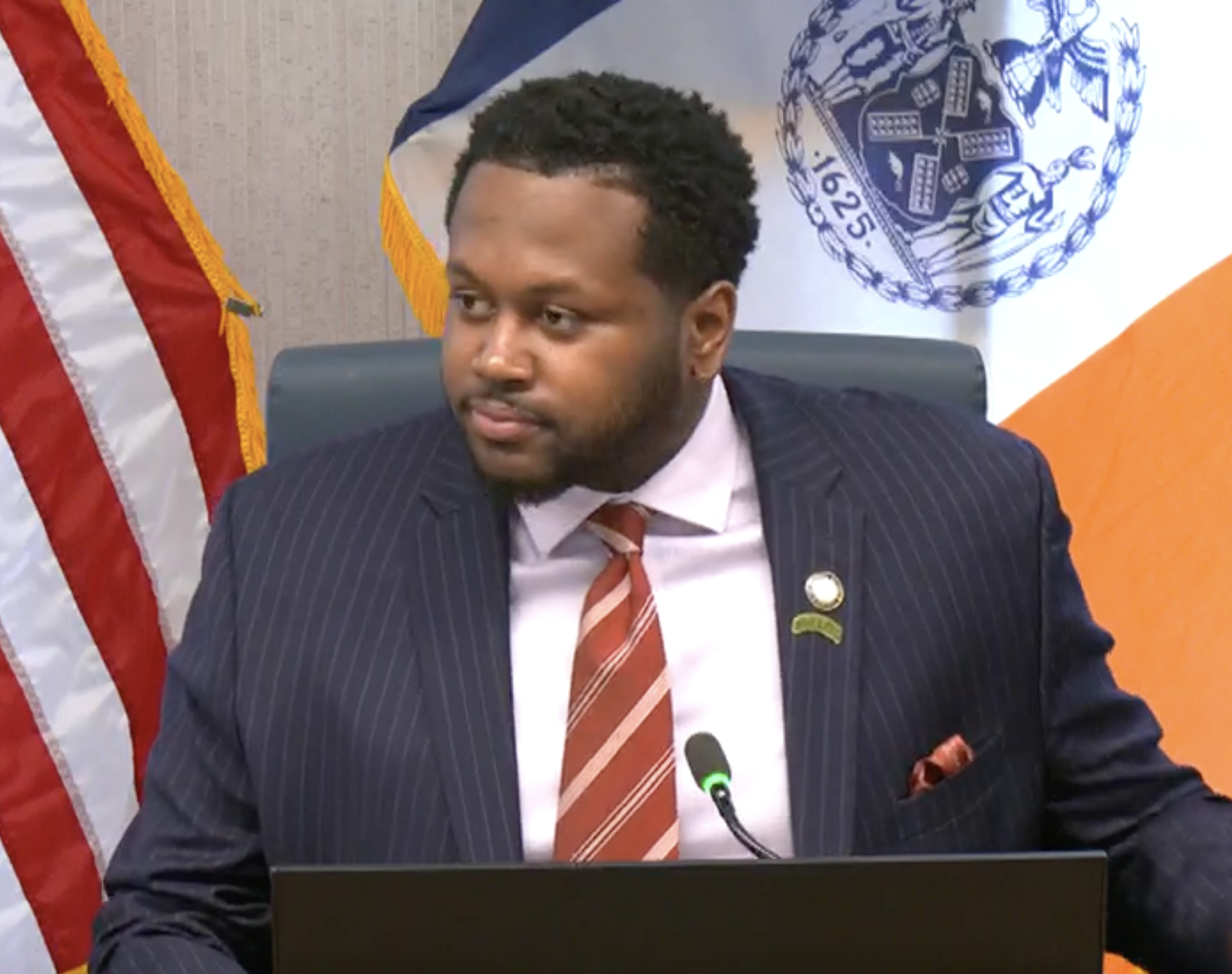
On Wednesday, Hankerson, Chair of the Committee on Parks and Recreation, along with other city council members, introduced four bills that they hoped to vote on before April 22, Earth Day, as part of an annual effort to introduce bills commemorating the environmental holiday.
One bill aims to officially recognize 300 miles of new or existing trails around the city, like the one at Roy Wilkins Park, with the aim of giving low to middle income New Yorkers better access to natural areas.
"It is that getaway when you may not be able to afford to go on vacation. It is that place of serenity when the world is as chaotic as it is," said Hankerson in the interview.
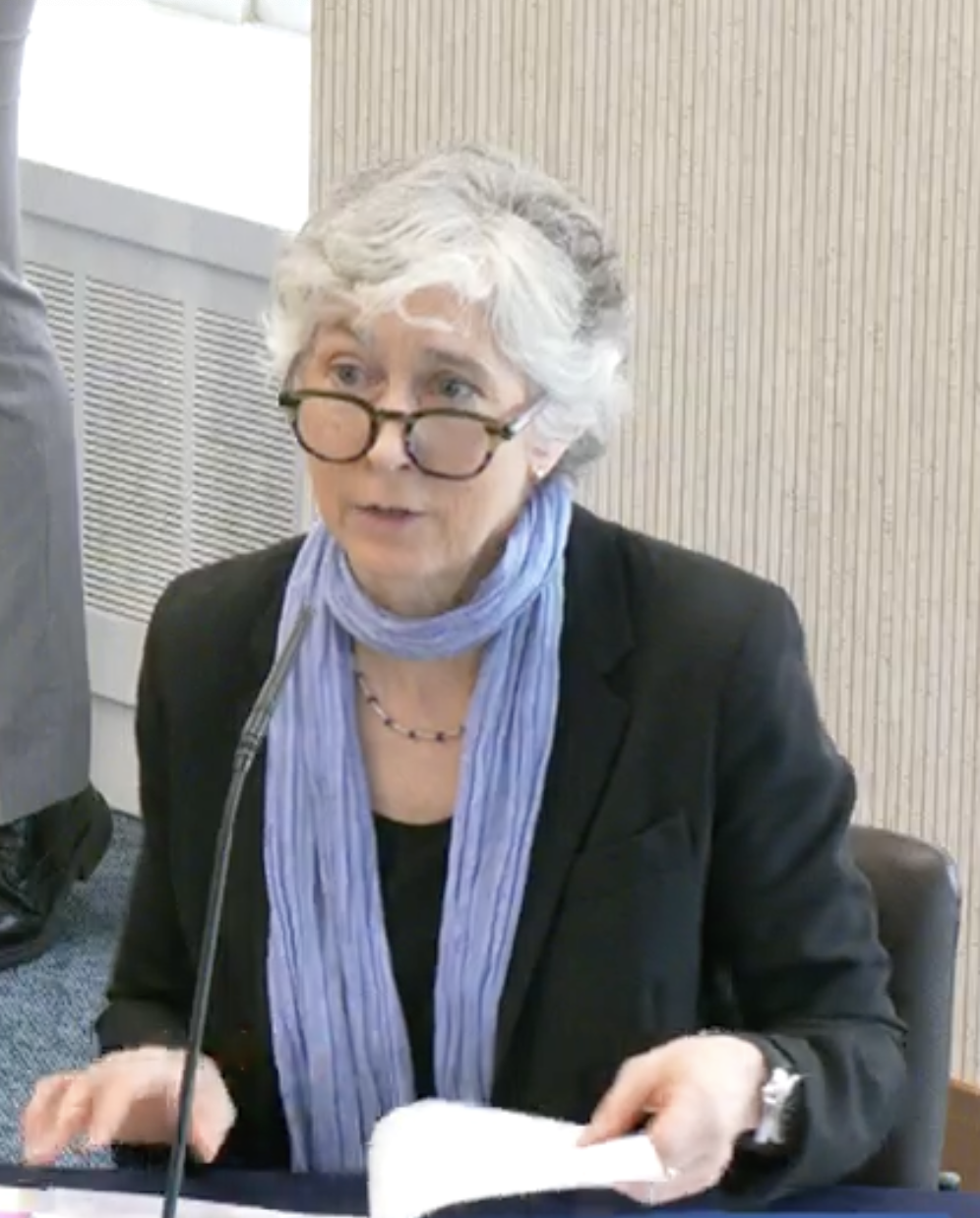
The Earth Day bills come as about 63,000 New Yorkers have no green spaces near them, according to testimony given by Marit Larson, acting commissioner of the Parks Department. But her agency is already making efforts to accomplish exactly what the bills propose, according to her testimony and an email from the department.
The council is legislating actions the Parks Department says it's already taking.
Trails
"NYC Parks has already made significant progress toward the goal of formalizing its trail network," said Judd Faulkner, the department's press officer, in an email.
In the last few years, the city has mapped 450 miles of trails, according to Larson, but a bill to make them officially recognized, maintained, or expanded is needed according to the city council.
The requested 300 miles of trails around the city will be done within a year,
"transforming the city's trail network from confusing and redundant to clearly marked and legible," Larson said at the hearing.
The proposed bill calls for the commissioner to "improve, formalize, or create" the trails within a longer three year period, connecting the city's natural areas by trails as much as possible, and improving "access by low and moderate income communities to natural areas." It also mandates the commissioner to publish maps of the trails on the agency's website.
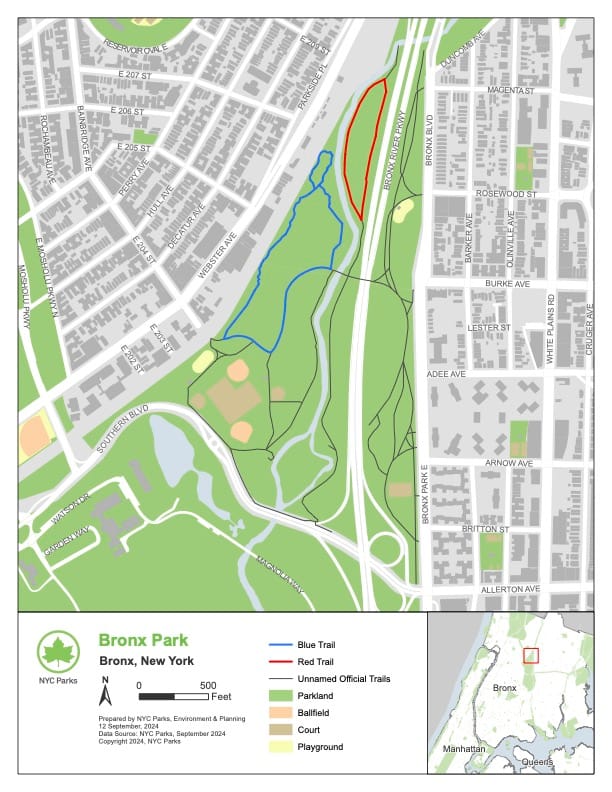
NYC Parks hosted a Hiking Trail page on their website with dedicated pages for parks with trails, categorized by borough, along with brief descriptions downloadable maps like the one above, as of this report. But the trails interconnectedness and how to access them was not clear.
The other bills making up the package included a bill proposing research into cooler surfaces on playgrounds, a bill requiring a report from NYC Parks on the 10 community districts with the fewest green spaces, and another establishing a multi-agency wildlife board to address the interactions between wild animals and city dwellers.
Cool Surfaces
In response to the cool surfaces bill, Larson said the Department of Transportation's (DOT) pilot to test cool surfaces is already under way.
"We do not believe that a parallel park-specific pilot should be implemented at this time until the results of the DOT pilot can be comprehensively assessed," she said at the hearing.
Councilmember Phil Wong, who introduced the bill, said there's a difference between DOT's pilot and the proposed bill aimed at the Parks Department.
"This bill is about playgrounds under Parks’ jurisdiction. Kids are directly interacting with these surfaces, so we need testing that reflects real conditions in parks, including safety, durability, and temperature," Wong said in the email.
At the hearing Wong wondered why the department wished to wait for the DOT results.
"Does the parks department have the goal of reducing dangerous heat that children may be subjected to while spending time in parks and playgrounds?" he asked.
"Yes, very much," Larson replied.

Hankerson introduced another of the bills to find and report on the 10 community districts with the fewest green spaces in the city.
At the hearing, Larson said the agency had already assessed the parts of the city with the least green space through a Parks led community-based Uniform Land Use Review Process initiative, a former land use process replaced in February, 2026 by a faster review process.
"Through that program, we identified 19 community districts across the city," Larson said, "that indicated need for investment."
Hankerson pointed out that Queens 12, the community board that covers his council district, was among them.
"Our goal here is to make sure that there is greenery and green space that is a walking distance for residents across the district," he said in the interview.
Staten Island Deer
Another bill introduced by Wong creates a "wildlife management advisory board to develop a citywide wildlife management plan, to analyze wildlife management," reads the bill. The board would stretch across agencies.
"Right now, there isn’t a clear, coordinated approach," said Wong in an email.
But Larson found this bill redundant, too, stating programs to manage wildlife across city agencies have existed for years.
One program is the city's "non-lethal deer impact management plan" launched in 2016, said Larson.
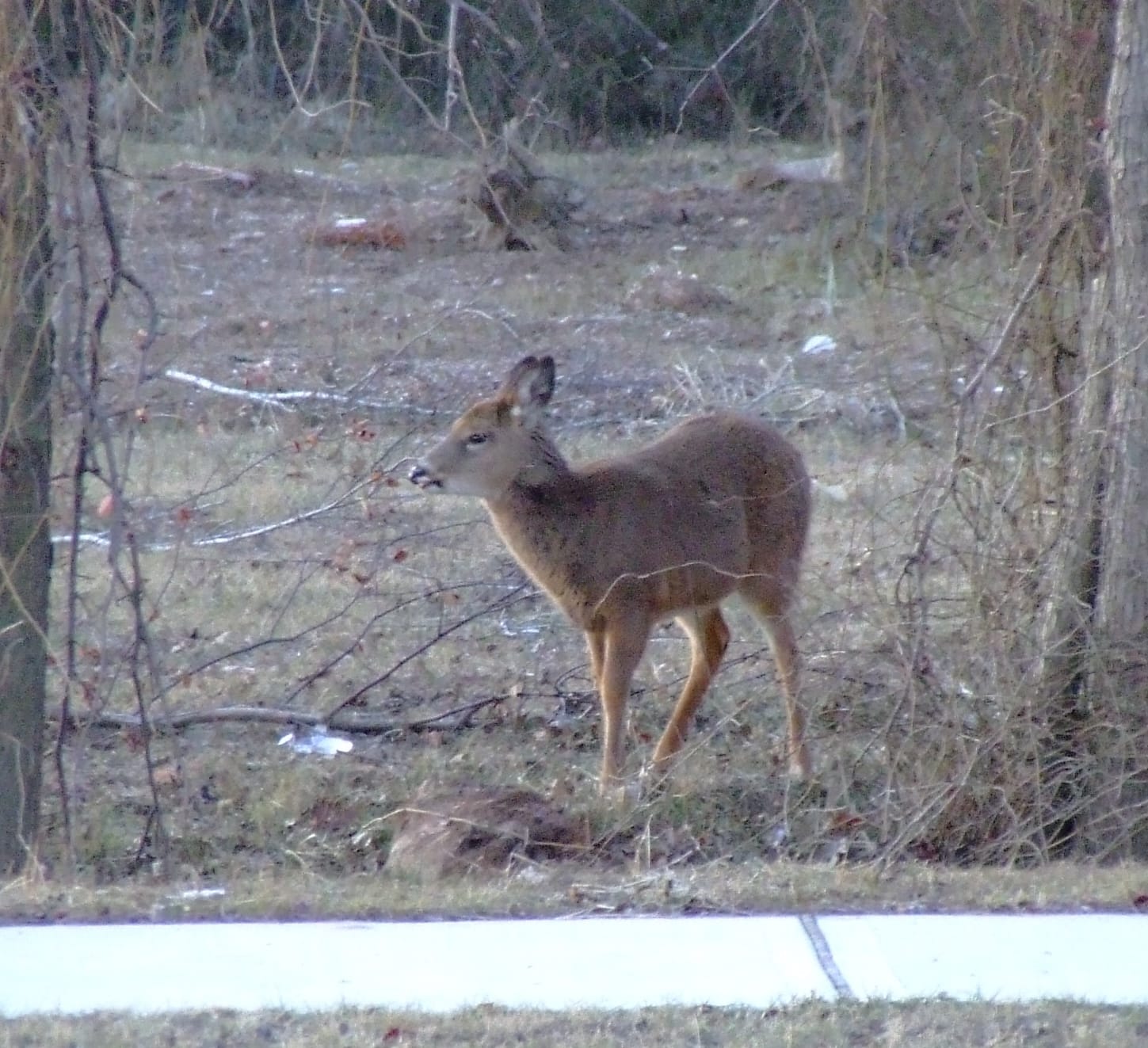
The program manages Staten Island's deer population through a unique sterilization program, coordinated between the mayor's Office of Animal Welfare, the Park's Wildlife Unit, and White Buffalo, Inc., a non-profit wildlife management expert.
Deer once naturally populated the island borough, were subsequently driven out by human activity, then migrated back and started to cause complaints.
Dane Stevens, White Buffalo's head of operations, who has personally managed the program since it started, listed damage to landscaping and gardens, tick-borne disease, and forest damage as the most common issues that come up when deer overpopulate.
But people mostly want to avoid crashing into them.
"The one that really tips the hat for management actions, is deer vehicle accidents," he said.
The annual deer program results are posted to the department's website.
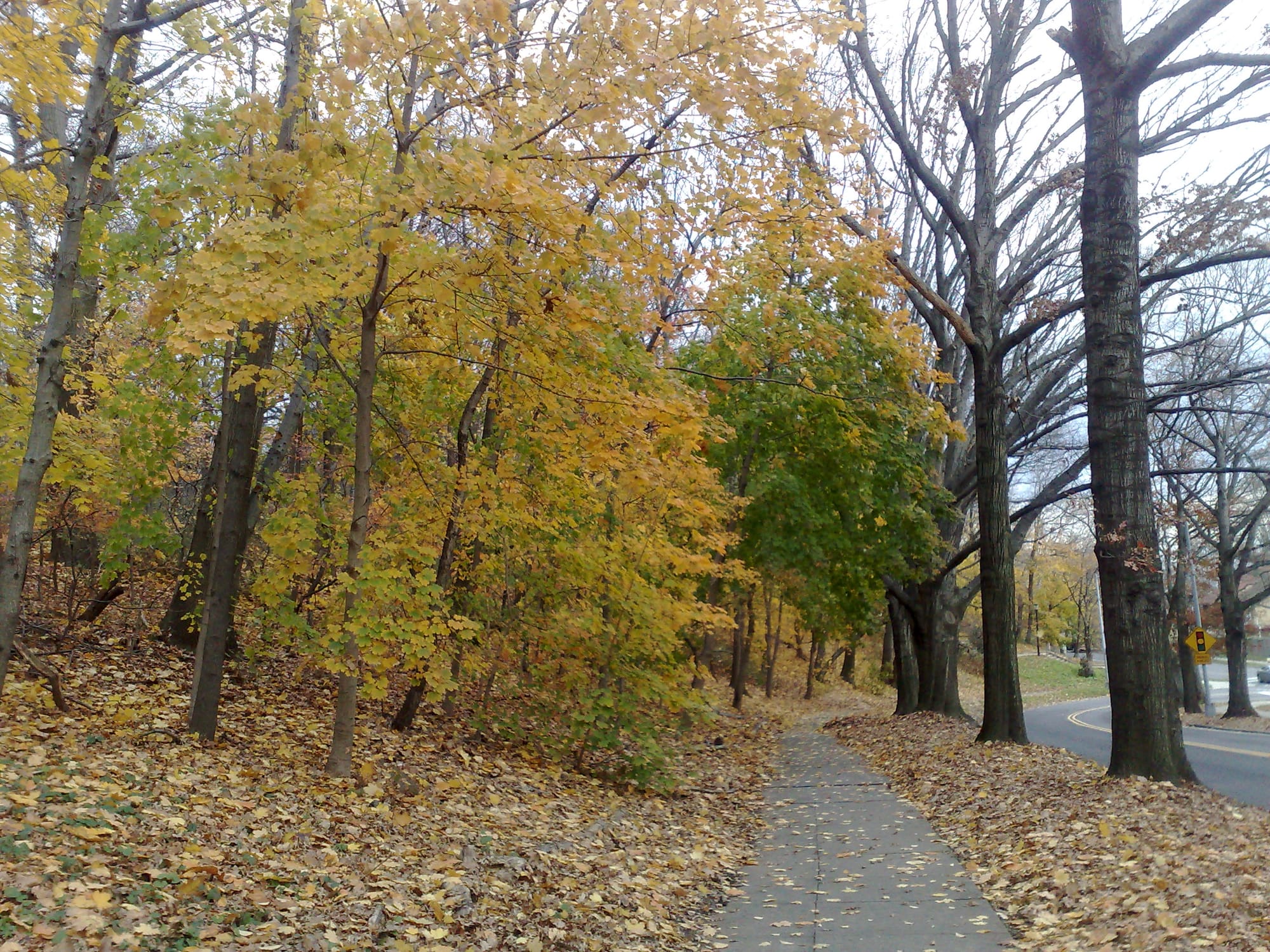
Last summer, chair Hankerson explored the woods in Forest Park, Queens, the borough's third largest park with hundreds of acres of hilly forests. Escaping into nature is one way New Yorkers can take a break from urban living.
"I went through a few of the trails there, almost got lost," he said. "But what's the fun of a trail if you don't get lost."
Help keep it that way.