Incarcerated Voters at Rikers Denied Access To Ballots
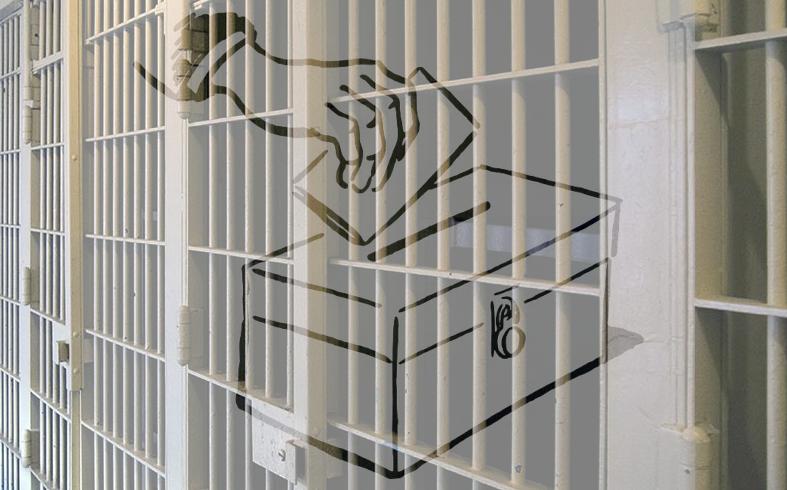
Most incarcerated individuals on Rikers Island are eligible to vote, but very few of them do.
In 2024, 85% of incarcerated people at Rikers were eligible to vote, while fewer than 8% of that population actually voted, said Amira Wittenberg, a former intern with the Department of Correction on Rikers Island, at a city council hearing Tuesday. During the general election of 2024, 977 ballots were issued to Rikers' incarcerated individuals, but only 546 were counted, said Robert Willis of Latino Justice at the hearing.
"[The incarcerated] are more directly affected by decisions made about courts, public defense, housing, health care, policing, and pay equity than almost any other single population," said Kai Rosenthal, co-president of the League of Women Voters of the City of New York, at a city council hearing Tuesday.
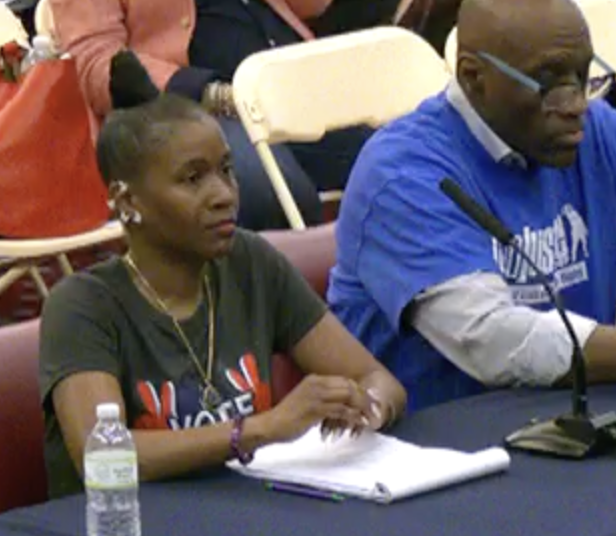
This comes as the council discussed a new bill, Intro 786, at Tuesday's Committee on Criminal Justice hearing. The bill requires the Board of Elections (BOE) and the Department of Correction (DOC) to collaborate on getting incarcerated people's votes counted, fixing their ballot defects, and providing data from the past five years that shows how they handled ballots.
DOC holds voting-related calls once a month with advocates and, sometimes, BOE. But the BOE has missed the last two according to advocates who were on the calls.
Incarcerated individuals receive voting information both on computer tablets and directly from volunteers and Rikers counselors.
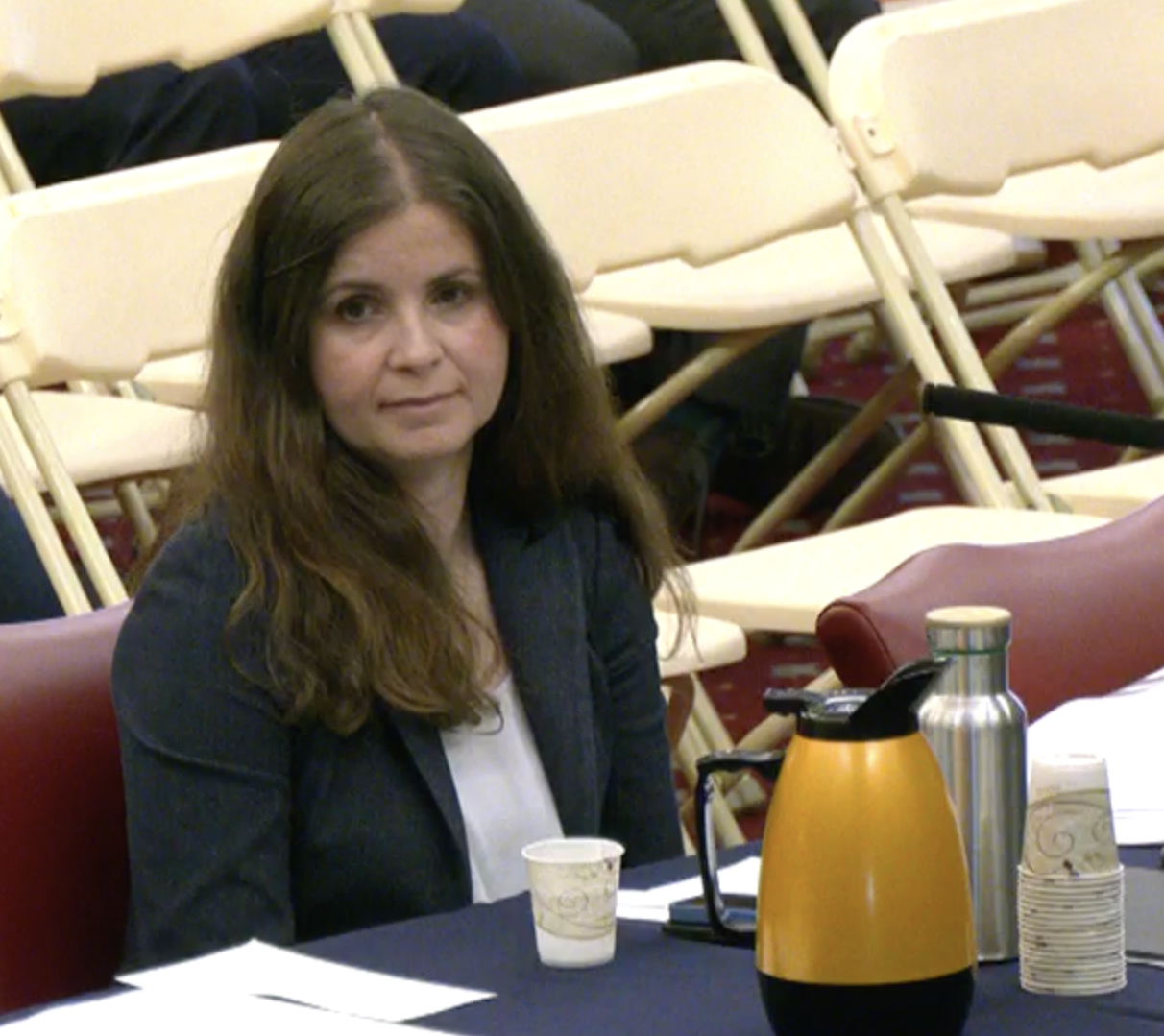
Valerie Greisokh, assistant commissioner of the DOC, said the DOC's counseling unit provides voting information directly to incarcerated individuals.
The Board of Elections says it is able to process whatever the Department of Correction sends it, and relies on the DOC to supply ballots to Rikers voters and return them after.
All votes from Rikers are cast as absentee ballots because there is no polling place available to the incarcerated population.
"An additional three to 5,000," said Michael Ryan, executive director of the BOE, at the hearing, "is not going to be something that upsets the process from the Board of Elections side."
Takeasha L. Newton, lead community organizer at the Legal Aid Society, has been visiting Rikers to enable its voting population since 2019, and claims the DOC hinders advocates' ability to reach more incarcerated voters.
The DOC allows access to the Rikers population only once a month most of the year, and twice in the months before midterm and general elections, totaling 14 times per year. Newton said this restricts the number of individuals they can reach, and stretches voting education out over too many months, causing the incarcerated individuals to lose interest.
On the monthly visits, a small group of about 13 advocates have the goal of reaching thousands of incarcerated voters. But the DOC limits how many advocates can board the van to Rikers.
"The van only holds a certain amount of people," said Newton. "DOC staff will also assert members of their own to join us that are not included in the number that we were given."
Other common problems voters in Rikers face include a broken or no computer tablet, absence of a guard to allow them to receive a ballot, or mismatched signatures on the ballot. Voters outside Rikers can have ballot problems like these fixed, but for incarcerated people, little can be done in time to vote.
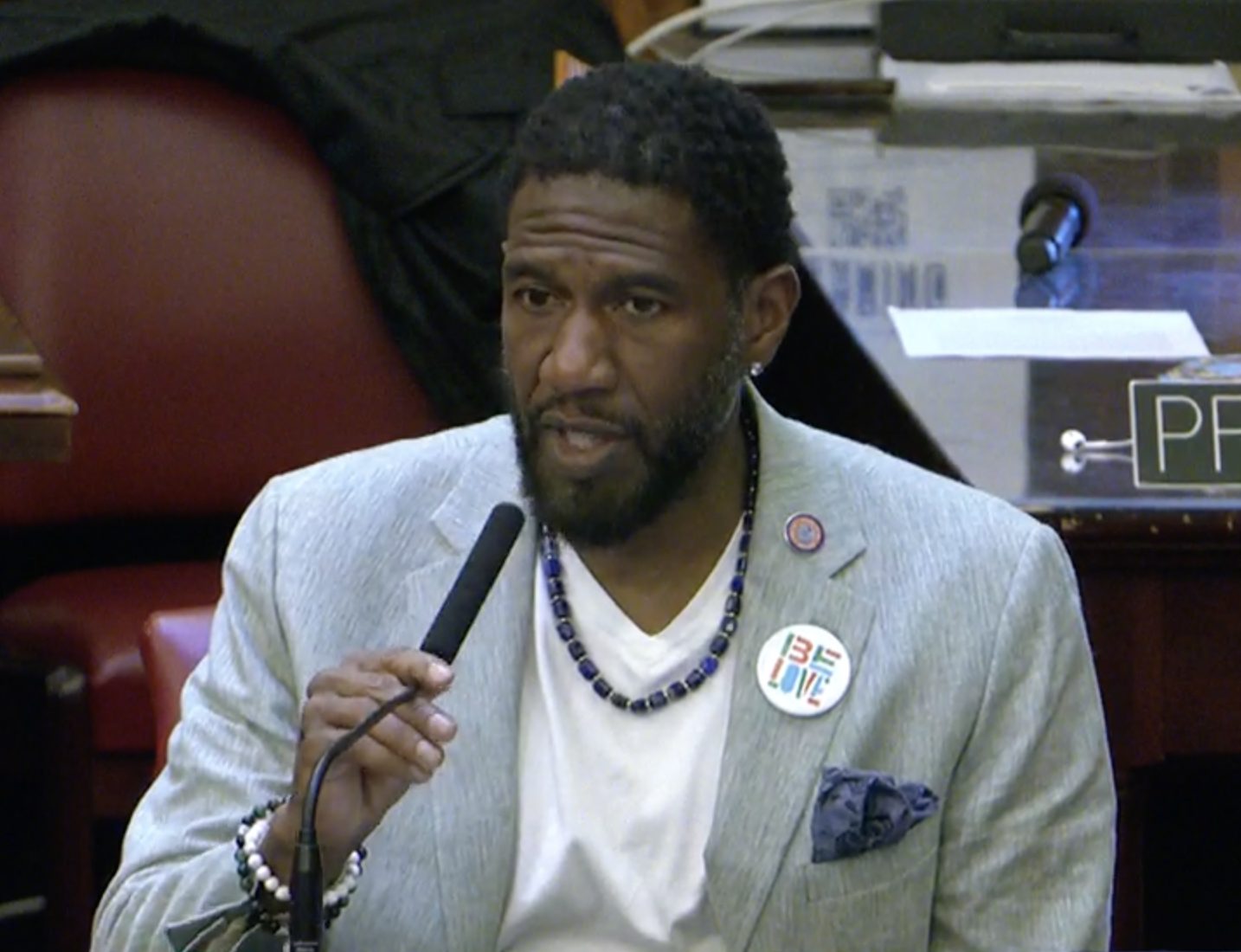
Ultimately, the legislation aims to ensure voting rights to people that legally have them, but are denied them.
"There is a lot of names being thrown around. I called folks at Rikers 'detained individuals' and maybe 'incarcerated individuals'. Some people, unfortunately, still use the word 'inmates'. What I'd like to do is to talk about 'New Yorkers'," said Jumaane Williams, the city's Public Advocate, at the hearing.
Help keep it that way.