Council Passes Pilot Program To Clean Up Bus Shelters, Bike Stations and Kiosks
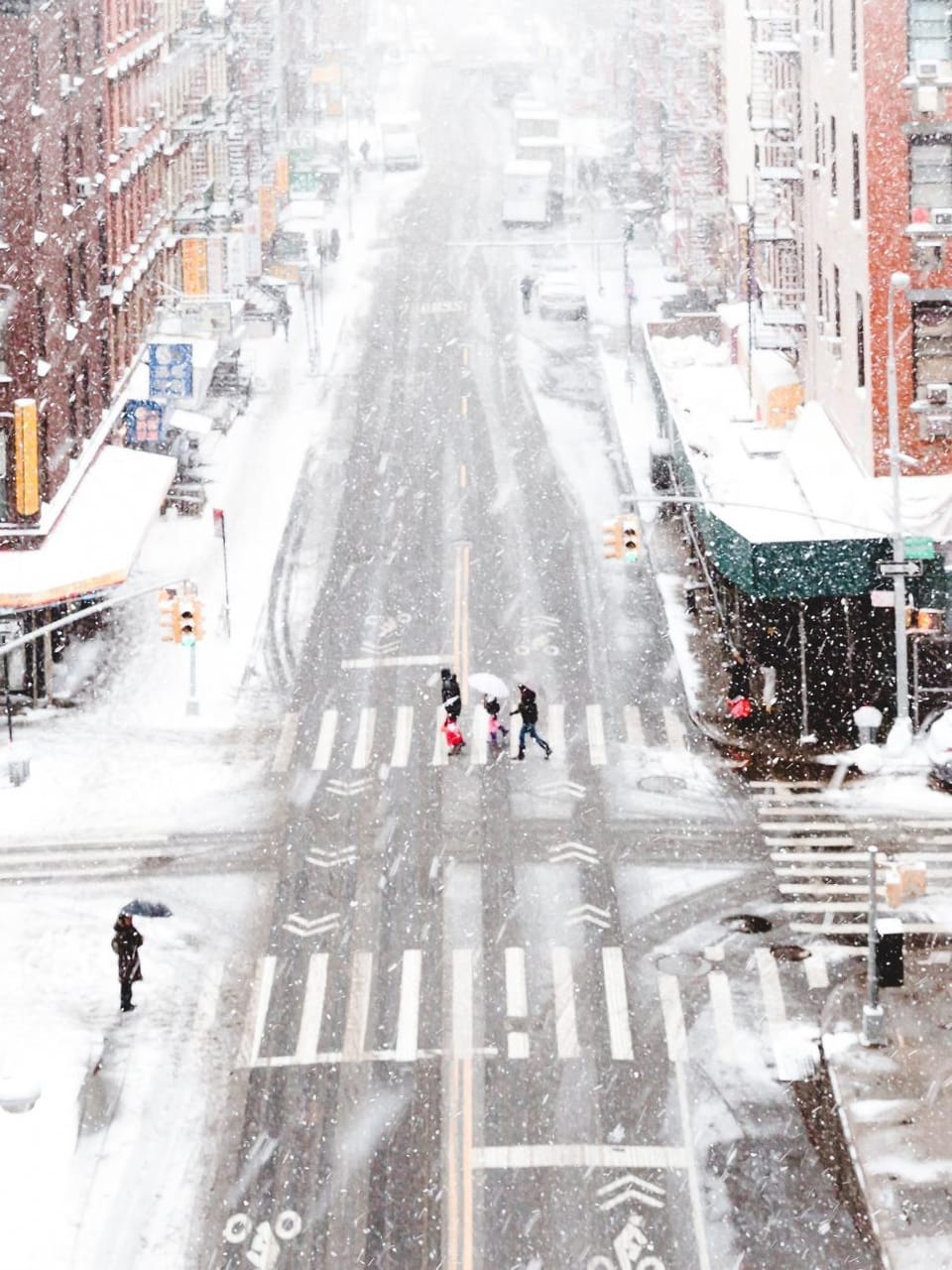
New Yorkers saw a lot of snow this winter. Mounds of accumulation blocked bus stops, bike stations and internet kiosks, spaces contracted to be maintained by private vendors. Observing the trend citywide, the New York City Council approved a pilot program to clear snow, ice and dirty conditions from these areas with the help of city sanitation workers.
324 million bus riders a year wait at bus shelters throughout the city, and users go online or charge their phones at over 2,000 LinkNYC kiosks, meant to replace outdated pay phones. Bike share users cycled almost 70,000 rides per day from about 2,300 stations across the five boroughs in December alone. The council voted to be sure its contracted vendors do their part to clear snow and keep these areas clean.
The bill "creates a pilot requiring DSNY to notify DOT about any conditions we observe, so that DOT can ensure the vendors fulfill their obligations," said Joshua Goodman, deputy commissioner for public affairs of the Department of Sanitation (DSNY).
The vote comes after two blizzards pummeled the city this February and piles of snow brought everyday transportation and communication to an un-New York-like snail's pace. DSNY takes care of snowy streets while property owners take care of shoveling sidewalks. But some spots fall under a contractual gray-area with private operators that also require maintenance.
Lyft operates the city's bike stations, and JC Decaux, the outdoor advertising company, contracts with the city to maintain about 3,000 of the city's bus shelters.
"Under those contracts, the vendor is already required to remove snow and ice and maintain cleanliness," said Goodman.
Under the bill's pilot program, for the next two years, the Department of Sanitation (DSNY) will be tasked with notifying either the Department of Transportation (DOT) or the Department of Information Technology and Telecommunications (DoITT) of dirty conditions or accumulations of snow or ice at any bus shelter, bike share station or public communications structure, described in the bill as a "kiosk or structure on a sidewalk that provides public access to the internet and other digital services, including a public pay telephone."
The DOT or DoITT will then tell the operators in charge of that structure, like Lyft or JC Decaux, about the condition, instruct them to remedy it, then be able to "take enforcement action as prescribed in such agreement, including the issuance of penalties or assessment of liquidated damages," if the problem isn't solved.
Eight members of the Committee on Sanitation and Solid Waste Management voted for the bill. Shahana K. Hanif was absent.
The bill reinforces the council's ability to keep the city moving and properly maintained under snowy or dirty conditions.
"In essence, it formalizes the process we already use to keep these areas safe and clean," said Goodman.